
Achieving radiant skin doesn’t require a 10-step process. A simple, effective routine tailored to your skin type can yield amazing results. Here is the ultimate guide to the basics of skincare.
The Core Routine
- Cleansing: Remove impurities and excess oil with a gentle cleanser twice a day.
- Toning: Use a toner to balance your skin’s pH and prepare it for hydration.
- Moisturizing: Lock in moisture to keep your skin barrier strong and supple.
- Sun Protection: Never skip SPF! It is the best defense against premature aging.
Consistency is key. Stick to your routine and your skin will thank you!
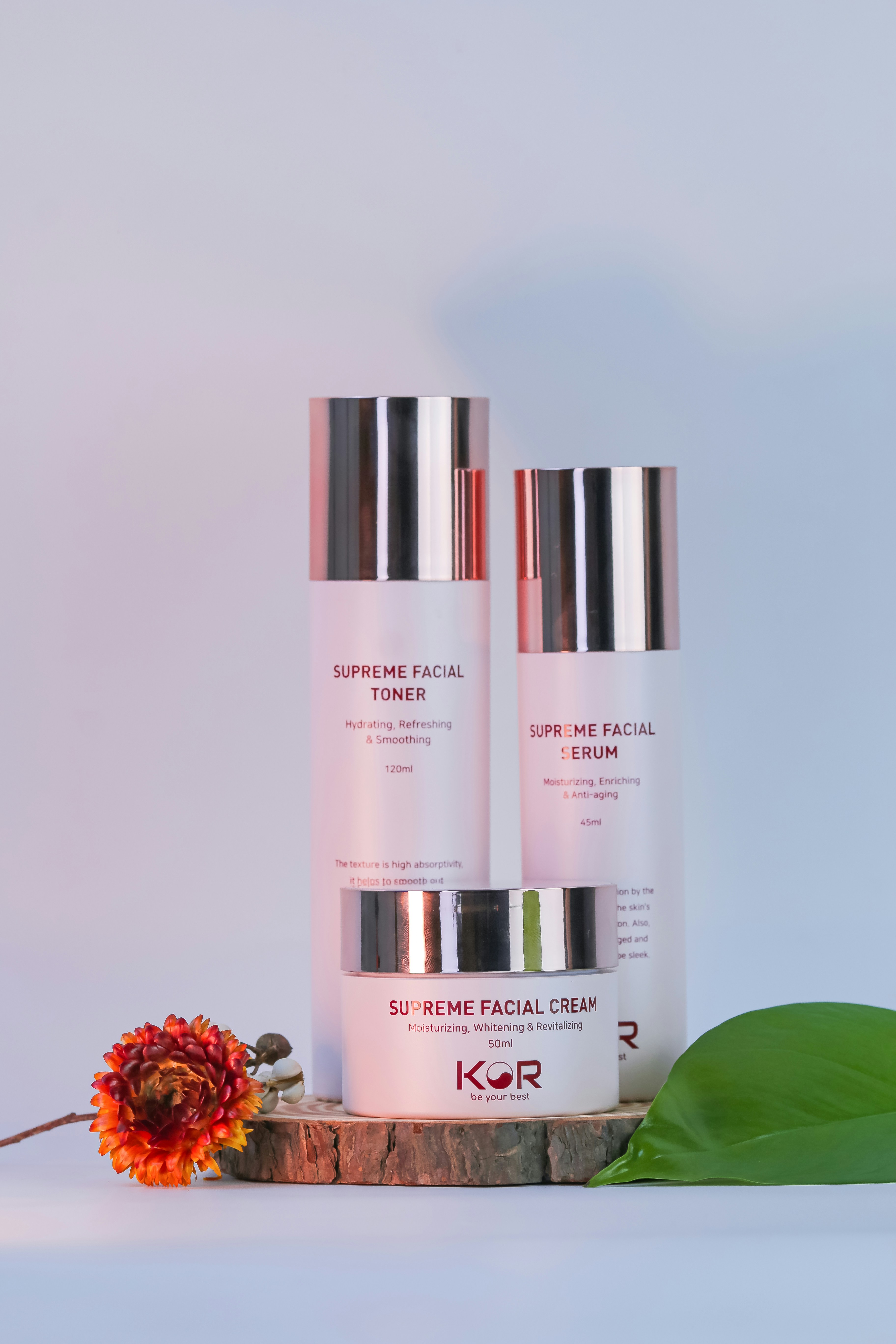
Understanding Your Skin Type
Identifying your skin type is the first crucial step toward developing an effective skincare routine. There are four primary skin types: oily, dry, combination, and sensitive. Recognizing your skin type allows you to tailor your skincare products and practices to meet your skin’s unique needs.
Oily skin is characterized by an excess of sebum production, which can lead to a shiny appearance and an increased likelihood of acne breakouts. To assess if you have oily skin, you can perform a simple test by washing your face and observing how your skin feels after an hour. If your skin appears shiny, particularly in the T-zone, and feels greasy, it is likely oily.
Dry skin, on the other hand, lacks sufficient moisture and can often feel tight or flaky. Individuals with dry skin may notice red patches or a rough texture. To test for dry skin, wash your face and wait a few hours without applying any moisturizer. If your skin feels tight or exhibits flakiness, it is indicative of dry skin.
Combination skin exhibits characteristics of more than one skin type. Typically, the T-zone (forehead, nose, chin) may be oily, while the cheeks are dry or normal. Identifying combination skin can be done by observing the behavior of your skin in different areas after cleansing. Look for oily regions alongside dry patches to confirm this skin type.
Sensitive skin is often prone to redness, irritation, or discomfort. Individuals with sensitive skin may react adversely to various products or environmental conditions. Observing how your skin reacts to new products or changes in climate can help determine if you have sensitive skin.
Once you identify your skin type accurately, it is essential to select skincare products formulated specifically for your needs. Understanding the nuances of skin types allows for a more personalized skincare approach, ultimately contributing to healthier skin over time.
Basic Skincare Steps Explained
Establishing a basic skincare routine is crucial for maintaining healthy skin, particularly for those just starting. The fundamental steps consist of cleansing, toning, moisturizing, and sun protection. Each step serves a specific purpose that contributes to overall skin health.
Cleansing is the first and perhaps the most vital step in any skincare regime. Its primary goal is to remove dirt, oil, and impurities that accumulate on the skin throughout the day. For effective cleansing, it is important to choose a cleanser suited to your skin type. Gel-based cleansers are typically ideal for oily skin, while cream-based cleansers work well for dry or sensitive skin. To cleanse, apply the product to damp skin, gently massaging it for about 30 seconds before rinsing with lukewarm water.
The next step is toning, which resets the skin’s pH balance after cleansing. Toners help to remove any lingering debris and prepare the skin for better absorption of subsequent products. When selecting a toner, look for alcohol-free options that contain hydrating or soothing ingredients. To apply, use a cotton pad or your fingertips to spread the toner evenly across your face, avoiding the eye area.
Moisturizing is essential for any skincare routine, as it hydrates and nourishes the skin. This step helps to lock in moisture and can improve skin texture. For beginners, a lightweight, non-comedogenic moisturizer is recommended to avoid clogging pores. Use a small amount and apply it in upward circular motions, ensuring even coverage.
Lastly, sun protection cannot be overlooked. Sunscreen is a crucial step to protect the skin against harmful UV rays that can lead to premature aging and increase the risk of skin cancer. A broad-spectrum sunscreen with an SPF of at least 30 should be applied every morning, even on cloudy days. Reapply throughout the day, especially if spending extended time outdoors.
In conclusion, understanding and following these basic skincare steps—cleansing, toning, moisturizing, and sun protection—will provide a solid foundation for achieving and maintaining healthy skin. By incorporating these practices into your daily routine, you set the stage for long-term skin health and vitality.
Key Ingredients to Look For
When venturing into the world of skincare, understanding key ingredients is essential for selecting the right products. Several standout components can significantly enhance your skincare routine, providing targeted benefits and improving overall skin health.
One of the most popular ingredients for hydration is hyaluronic acid. This powerful humectant draws moisture from the environment into the skin, holding up to 1000 times its weight in water. For beginners, incorporating a hyaluronic acid serum into the daily regimen can deliver immediate hydration, leaving the skin plump and youthful. It can be applied after cleansing and before moisturizing for the best results.
Another vital ingredient for any skin type is vitamin C, known for its brightening and antioxidant properties. This vitamin helps to combat free radicals, reduce the appearance of dark spots, and even out skin tone. When included in a morning routine, vitamin C can enhance the skin’s radiance and protect it from environmental stressors, contributing to a healthier complexion over time.
Salicylic acid is particularly beneficial for those who struggle with acne-prone skin. As a beta hydroxy acid (BHA), salicylic acid penetrates deep into the pores to help exfoliate and reduce excess oil production. Beginners might opt for cleansers or spot treatments containing this ingredient, as it can effectively clear breakouts and prevent future ones without causing excessive irritation.
Lastly, retinol is a remarkable ingredient that aids in cell turnover, making it a superb choice for those aiming to address signs of aging or uneven texture. While retinol can be potent, beginners should start with lower concentrations to minimize irritation, applying it in the evening a few times a week and gradually increasing frequency as tolerated.
By recognizing these essential skincare ingredients—hyaluronic acid, vitamin C, salicylic acid, and retinol—beginners can make informed decisions when selecting products that align with their skin’s needs. Proper incorporation of these ingredients can lead to significant improvements in skin health and appearance over time.
Building Your Personal Skincare Routine
Creating an effective skincare routine is paramount for maintaining healthy skin. The essential elements include understanding your skin type, selecting the right products, and knowing how to layer them effectively. Your skin type—whether it is oily, dry, combination, or sensitive—determines which products are ideal for you. For instance, those with oily skin may benefit from lightweight, non-comedogenic products, while individuals with dry skin may favor creams that provide intense hydration.
When building your personalized skincare routine, consider incorporating the following steps: cleansing, toning, treating, moisturizing, and applying sunscreen. Begin with a gentle cleanser suitable for your skin type to remove dirt and impurities. Following cleansing, a toner can help balance the skin’s pH levels and prepare it for subsequent products. After toning, you may choose to use serums or treatments that address specific concerns, such as acne or pigmentation.
Moisturizing is crucial, regardless of skin type, as it helps maintain hydration and overall skin health. When selecting a moisturizer, opt for one that feels comfortable on your skin, as this will promote adherence to your routine. It is also important to apply sunscreen every morning, as it remains one of the most vital steps in protecting the skin from UV damage.
Layering products correctly is vital for maximizing their effectiveness. A general rule is to apply products in order of their consistency—from thinnest to thickest. This means starting with water-based products and ending with heavier creams. Adjust your skincare routine based on seasonal changes; for example, switch to richer moisturizers in winter and lighter formulations during summer.
Moreover, keep an eye on any changes in your skin condition. If you notice dryness or irritation, it may be necessary to modify your routine. Consistency is key in any skincare regimen, but being flexible allows for the best results according to your evolving skin needs.